Garbage Disposals 101: What Pinellas County Homeowners Should Know
A garbage disposal seems simple enough — flip a switch, and food waste disappears. But we get more service calls related to disposals than almost any other kitchen fixture, usually because of a few avoidable habits or an installation that wasn’t quite right from the start. Here’s what to know whether you’re installing a new one, replacing an old one, or just trying to keep yours running longer.
Do You Actually Need One?
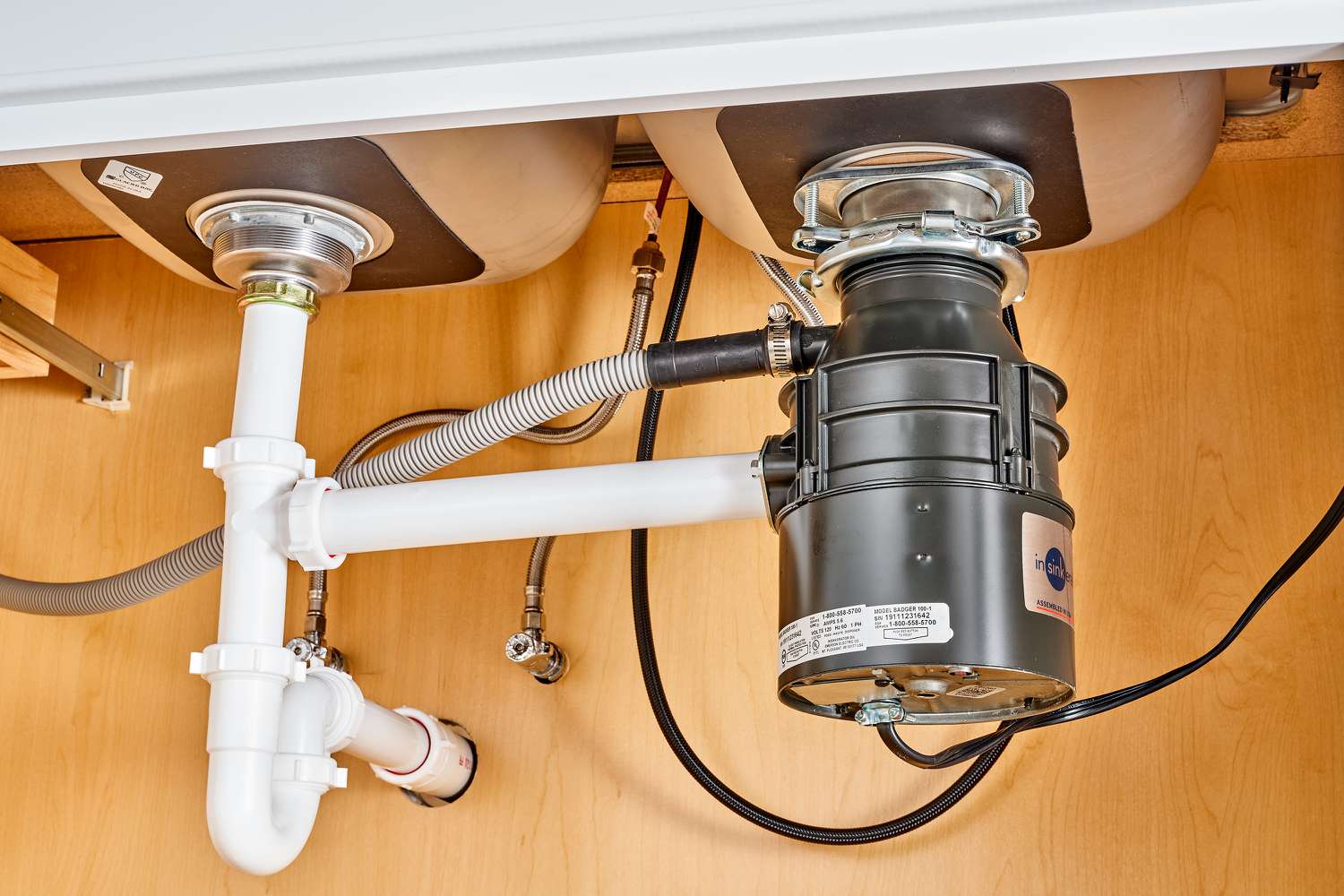
Plenty of older Pinellas County homes, especially those built before the 1970s, were never plumbed for a garbage disposal at all. If you’re renovating a kitchen without one, adding a disposal usually means:
- Confirming your drain line can handle it (some older lines need to be resized or rerouted)
- Making sure you have a dedicated electrical outlet under the sink
- Checking that your septic system (if you have one) can handle the added solids, since not all septic systems are disposal-friendly
None of this is a dealbreaker — it’s just worth checking before you buy the unit, not after.
What Actually Causes Most Disposal Problems
Most of the disposal issues we see aren’t mechanical failures. They’re clogs and jams caused by things that simply shouldn’t go down the drain:
- Fibrous vegetables like celery, corn husks, and onion skins, which wrap around the blades
- Grease and cooking oil, which seems liquid going in but solidifies in your pipes
- Coffee grounds and eggshells, which build up into a paste-like sludge over time
- Pasta, rice, and bread, which expand and can clog the trap below the disposal
- Bones, fruit pits, and anything hard, which can jam or damage the blades entirely
A good rule of thumb: if you wouldn’t want to eat it, run cold water while it goes down and run the disposal a few extra seconds after grinding stops.
Signs Your Disposal Needs Attention
- Humming but not spinning (usually a jam — often fixable without a full replacement)
- Slow drainage in the sink after running the disposal
- Persistent bad odors, even after cleaning
- Frequent tripping of the reset button
- Leaking from underneath the sink, which is often a sign the seals are failing
A disposal that’s leaking or won’t reset consistently is usually a sign it’s time for a professional look rather than a DIY fix, especially if the unit is more than 8-10 years old.
Installation Matters More Than People Think
We see a fair number of disposals that were installed correctly at first but start leaking or backing up within a year or two, usually because the drain line wasn’t properly sloped, the mounting wasn’t sealed correctly, or the unit was undersized for the household. A properly installed disposal should run quietly, drain fully, and not need constant attention.
Keeping It Running Longer
- Run cold water (not hot) while grinding — cold water solidifies grease so it can be ground up and flushed through, rather than melting and coating your pipes
- Grind citrus peels occasionally to freshen the smell and clean the blades naturally
- Avoid pouring grease down the drain, disposal or not
- Run it regularly, even when the sink is empty, to prevent parts from seizing up
When to Call a Plumber
If your disposal is jammed, leaking, making unusual grinding or metal-on-metal noises, or backing up into other drains, it’s worth having it looked at before a small issue turns into a bigger plumbing problem. We can also help if you’re renovating and need your kitchen drain lines updated to support a new disposal.
Dealing with a disposal that’s on its last leg, or planning a kitchen upgrade? We serve homeowners across St. Petersburg, Clearwater, Largo, Dunedin, Tarpon Springs, Safety Harbor, Seminole, and all of Pinellas County. Contact Plumbing Detectives today for a free estimate at 727-495-9065 — we’ll make sure it’s installed right the first time.